The Event Is Won at the Handoffs
One of my first lessons in growing Park Boulevard Productions happened at my friend Tim’s house, over a beer and a game of euchre.
I had a big event that night. Ordinarily, I would have been there. In those early days, I advanced the show with the client, packed the equipment, delivered it, ran it, and got everything home afterward. I was the through line, mostly because there weren’t many of us.
I was also exhausted. I knew that if I wanted this company to grow, I had to figure out how to put some of the work into someone else’s hands. John, my only other employee at the time, was eager to take it on. At his urging, I went to the barbecue.
But I felt guilty. I felt sickly nervous. My friends helped me through with a beer and some cards, and eventually I had little stretches of time when I forgot that I was supposed to be somewhere else.
The next day, I learned that John had done a great job. He was ready for that responsibility; I was the one having trouble with it.
Looking back, that was my first real encounter with the art of the handoff. I thought at the time I was merely learning how to let go. But I was also beginning to discover just how much information I carried around in my head simply because I had been involved in every step along the way.
That second lesson has taken longer to learn.
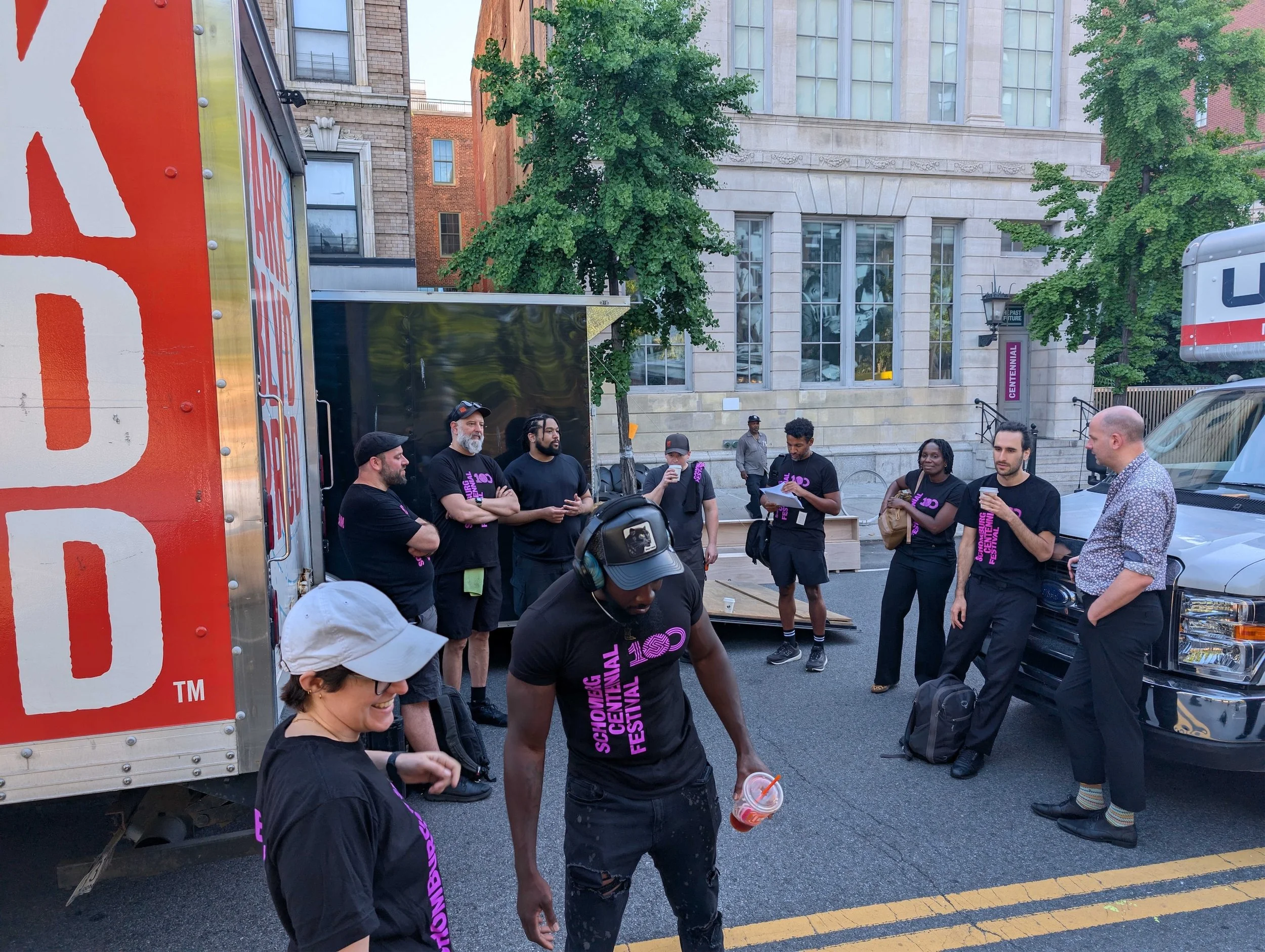
Years later, a client brought us a wonderful challenge for their company retreat: their CEO wanted to ride a Ducati motorcycle into the venue for the big reveal. There were just two small problems: The venue wouldn’t allow it, and the CEO had never ridden.
Her speech would address ambitious growth goals and the transformations needed to achieve them. The reveal needed to build excitement and prepare the room for that conversation.
Our team developed a video that captured the CEO’s transformative journey to the conference atop a Ducati. Video, sound, lighting, and stage effects would carry that journey into the room.
The transition from the video to the live appearance onstage was where those disciplines really came together. The buildup on screen needed to carry into the room, and the entrance needed to feel like the next moment in the same journey. Each person brought their expertise to shaping that transition.
In the final thirty seconds, the cuts accelerated. The rider dissolved into white light that then became the faces of everyone gathered in the room. That individual journey became something shared. Through fog and effects, the CEO appeared onstage as though having just dismounted the motorcycle, helmet held high.
The audience was on its feet, cheering. The journey had brought their leader into the room, ready to talk about what they would do together. I was proud of what the team created. It delivered the excitement and connection the client had hoped for.
There was also something we didn’t quite pull off. We had designed the motorcycle sound to make people turn their heads: Where is it coming from? What we achieved was an immersive feeling of being enveloped in the moment. This was still very cool, but missing some of that directional suspense.
Adapting to changing conditions is a big part of our work, and something this team does very well. On this show, a late supplier change meant rebuilding parts of the equipment plan, while a compressed load-in left less time to bring everything together. The team successfully navigated those changes, though one part of the revised audio plan needed more preparation from me.
As the changes accumulated, I didn’t sufficiently involve our audio lead in working through the revised approach. Too much of the thinking remained in my head, and we hadn’t established together what would work with the equipment and time available.
I let my confidence that we could figure it out stand in for a conversation we needed to have. That was my missed handoff. The team adapted, but I owed them better preparation.
I keep coming back to that experience because the event succeeded, and yet there was still something specific to learn. The creative intention needed to travel alongside the equipment lists and cues. A useful handoff gives the next person enough context to make decisions: what we’re trying to achieve, what has changed, and what still needs to be worked out. When the equipment changed, we needed time together to check whether the revised plan could still deliver the intended effect.
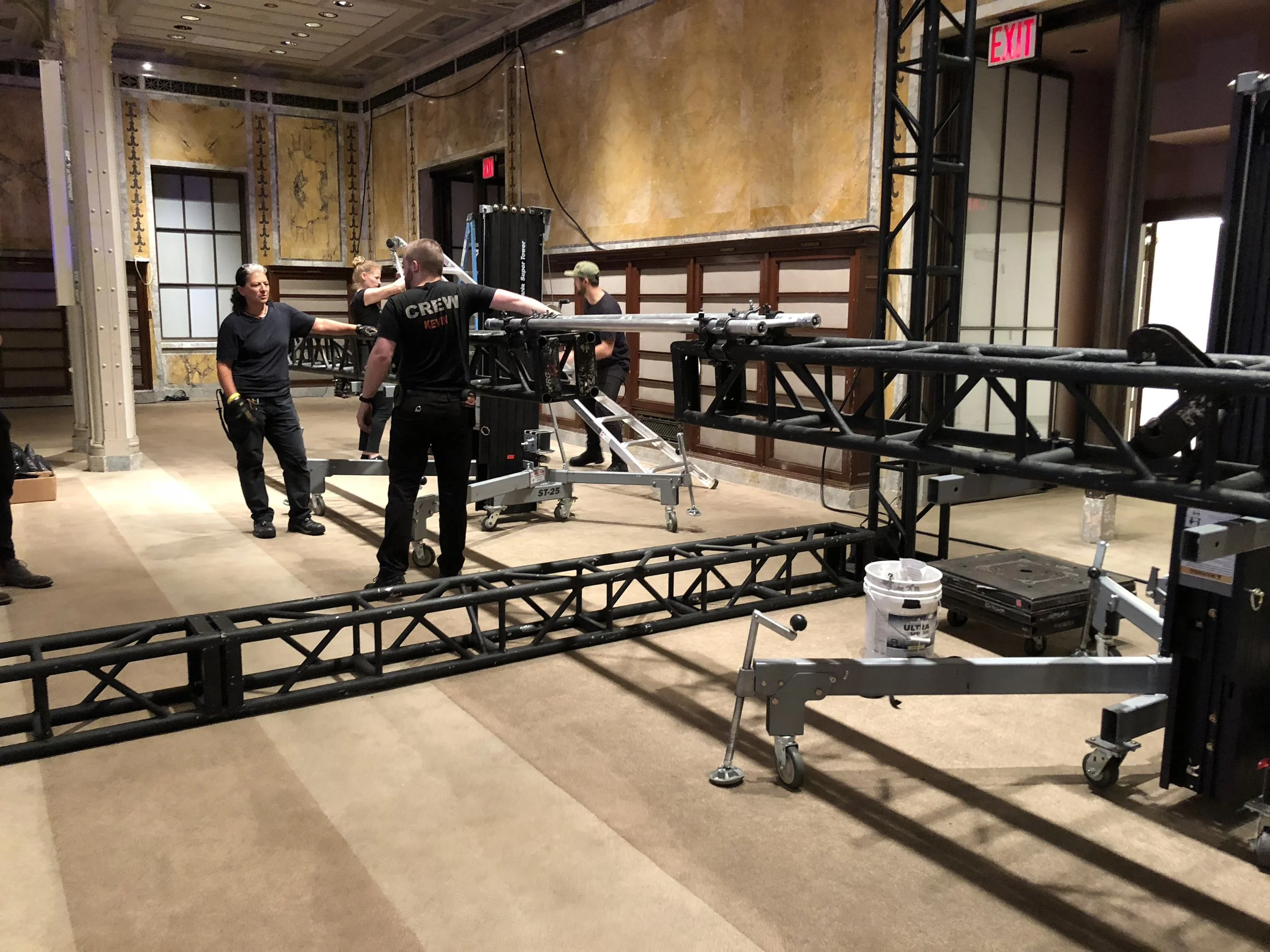
These days, our production managers carry most of a project’s lifecycle, with a deliberate handoff to an onsite lead and often continued PM oversight. Shift reports bring what happens onsite back to the PM, with visibility across the PM and leadership teams.
We’ve worked hard on that structure. It helps preserve the personal attention clients received in our early days while putting the work in more capable hands than mine alone.
My own work increasingly involves paying attention to those connections. Where did information get lost? What did someone have to guess? What should the next show inherit from this one?
Recently, a PM reminded me how important it is for me to be onsite myself. They were right: I learn things by being there that I wouldn’t learn from a report. Even so, I still find it stressful to visit a show without being the person operating it. My perfectionist streak kicks in, and it’s easy for me to get caught up in the little details. That attention can be useful. I’m still learning how to contribute it without taking the work back into my own hands.
John gave me an early glimpse of how this company could grow beyond what I could personally carry. That evening at Tim’s, I was mostly trying to get through a game of euchre without worrying about the show. Since then, building the company has meant learning how to support that trust through the way we prepare one another to do the work.
I trust our team deeply. My responsibility is to help make sure they have what they need, and to listen when they tell me what’s missing.